ქართული მინანქრის ისტორია VIII საუკუნიდან იწყება — ბიზანტიური ტრადიცია, რომელიც თბილისელმა ოქრომჭედლებმა ხელოვნებად აქციეს.
საიდან მოდის მინანქარი
მინანქარი — იგივე ტიხრული მინანქარი ანუ cloisonné — საქართველოში ბიზანტიიდან VIII საუკუნეში შემოვიდა. ოქროს თხელი ტიხრები ქმნის უჯრედებს, რომლებიც მინის ფერადი ფხვნილით ივსება და ღუმელში, დაახლოებით 800 გრადუსზე, იწვება. შედეგი — ფერი, რომელიც არასდროს ხუნდება.
ქართული სკოლა
შუა საუკუნეების საქართველოში მინანქარი საეკლესიო ხელოვნების მწვერვალად ითვლებოდა — ხახულის კარედის ხატი ამის უმთავრესი ძეგლია. თბილისელმა ოსტატებმა ეს ტექნიკა თაობიდან თაობას გადასცეს და დღეს იგი თანამედროვე სამკაულში ცოცხლობს.
დღეს — ლაცარასთან
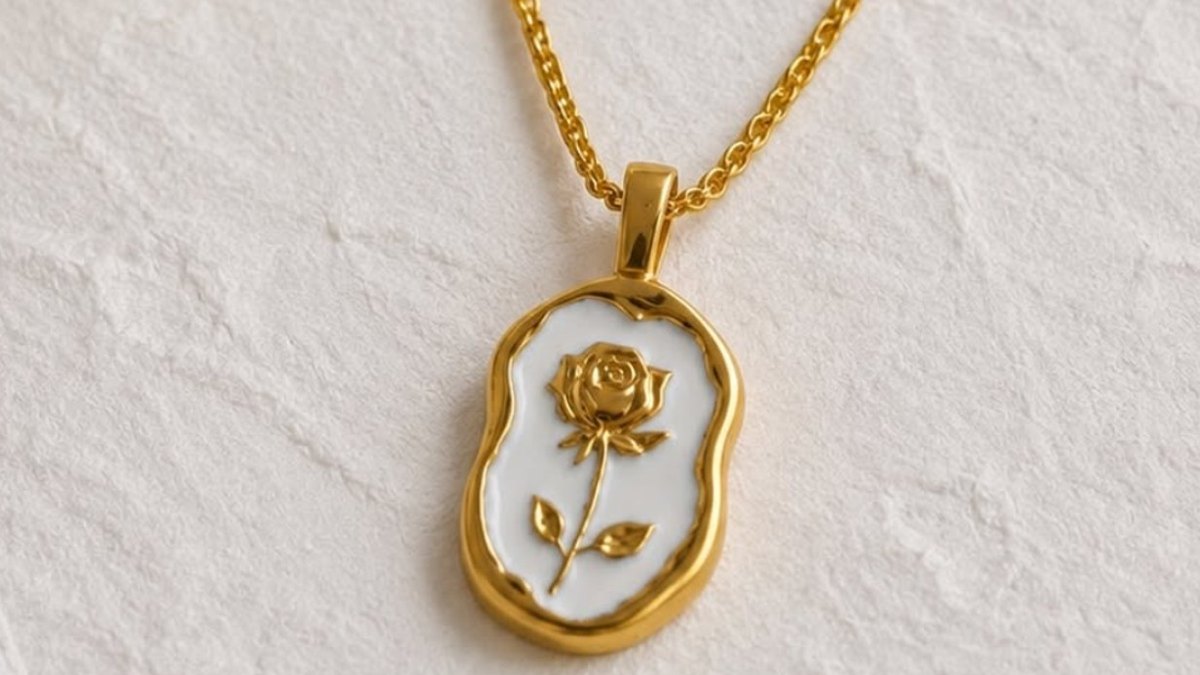
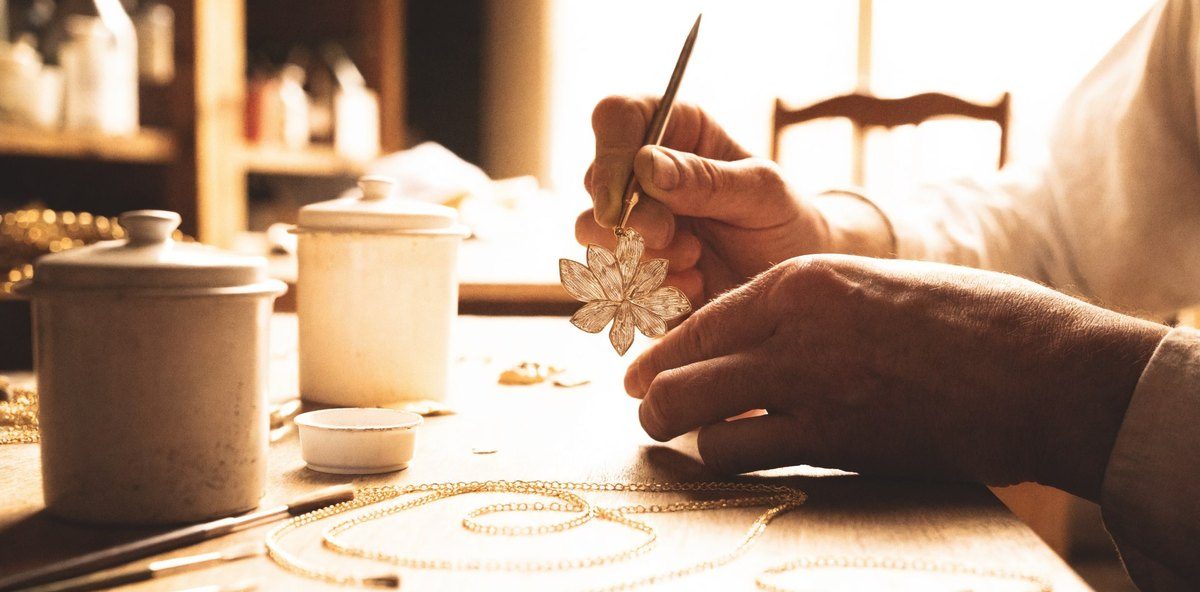
ლაცარა ამ ტრადიციას აგრძელებს: თეთრი მინანქარი, ოქროს ყვავილი და წვრილი ძეწკვი. ყოველი ნივთი ხელით იქმნება თბილისში — ცეცხლი, მინა და ოქრო, ისევე როგორც ათას წელზე მეტი ხნის წინ.
The story of Georgian enamel begins in the 8th century — a Byzantine tradition that Tbilisi goldsmiths turned into an art of their own.
Where minankari comes from
Minankari — Georgian cloisonné enamel — arrived from Byzantium in the 8th century. Thin gold partitions form tiny cells that are filled with powdered coloured glass and fired in a kiln at around 800°C. The result is colour that never fades.
The Georgian school
In medieval Georgia enamel was the summit of sacred art — the Khakhuli triptych is its greatest monument. Tbilisi masters passed the technique from generation to generation, and today it lives on in contemporary jewelry.
Today — at Latsara
Latsara continues the tradition: white enamel, a gold flower, a fine chain. Every piece is made by hand in Tbilisi — fire, glass and gold, just as it was more than a thousand years ago.